When you start a new product development project, selecting the right prototype manufacturing method directly affects sample accuracy, lead time and budget. Many engineers and buyers are confused about which rapid prototyping process fits their project. Below we introduce the common prototype machining methods, their advantages, limitations and suitable application scenarios.
CNC machining is the most widely used subtractive prototyping method in the industry. It works on plastics, metals and wood materials. Its tolerance can reach ±0.05 mm and delivers excellent surface finish with rich material options. It is the top choice when you need samples with high strength and strict dimensional requirements. The downside is that highly complex hollow or curved structures are hard to process, and some parts have to be split and assembled, which will extend the lead time.
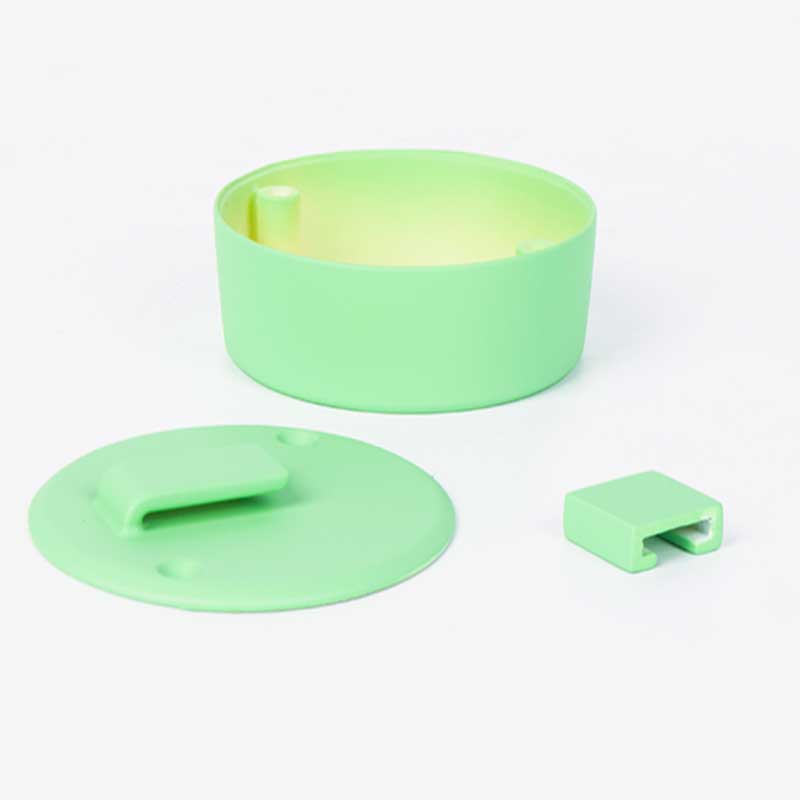
3D printing, also known as additive manufacturing, builds parts layer by layer. Common materials include SLA resin, SLS nylon, metal powder and PLA. The biggest advantage is fast turnaround. It handles intricate hollow shapes and organic geometries that are difficult for CNC. However, the surface texture is rougher compared with CNC parts, the tolerance is slightly lower, and there are limits on minimum wall thickness.
Vacuum casting, or silicone molding, is used for low-volume duplication. First, you make a master prototype via CNC or 3D printing, then create a silicone mold. PU resin or epoxy is poured under vacuum to copy parts. It can simulate ABS, PC and soft rubber properties. Vacuum casting is cost-effective for small batches usually under 20 pieces. The main weakness is short silicone mold life and a tolerance range of ±0.1–0.2 mm, so precision is moderate.
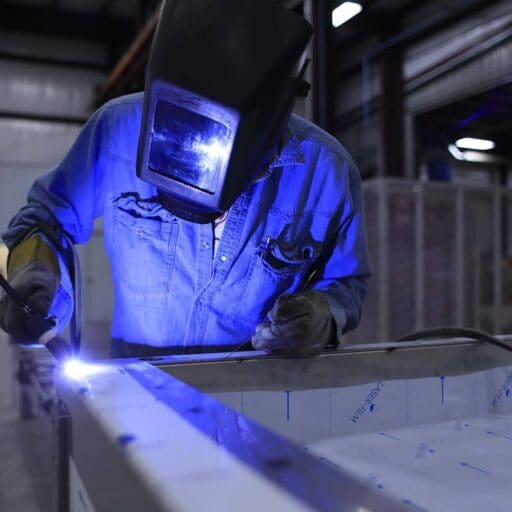
Sheet metal prototyping targets thin metal panels. Parts are formed through cutting, bending, stretching, welding and riveting from aluminum or stainless steel sheets. It is ideal for chassis, enclosures and thin brackets. This process is not a good fit for complex, irregular 3D shapes.
Hand carving or clay modeling is a traditional method. Modelers shape clay manually for early-stage appearance exploration. It is flexible for styling brainstorming, but slow and low in dimensional accuracy. It has been gradually replaced by digital manufacturing.
Chemical etching uses chemical agents to corrode thin metal foils such as 0.05 mm electronic shrapnel. It achieves high precision for ultra-thin metal components, yet the edge quality is not smooth.
How do you pick the right prototyping process? Choose CNC machining if high precision and premium surface quality are your priorities. Choose 3D printing for complex geometries and fast design verification. Choose vacuum casting if you need 5 to 20 duplicate samples for low-volume trial runs. Choose sheet metal processing for thin metal cabinets and housing prototypes.
Prsom provides full rapid prototyping services covering CNC machining, 3D printing, vacuum casting and sheet metal prototyping. Our engineers evaluate your CAD files and recommend the most suitable process based on your tolerance, quantity, material and budget requirements. Send us your drawings to get a free evaluation and quotation. View our prototype cases | Get Free Quote.
Prsite
请到「后台-用户-个人资料」中填写个人说明。