Every product engineer and product developer will encounter prototype machining during new product development. If you are new to product design, you may wonder: what exactly is prototype machining, and why is it a must-have step before mass manufacturing?
In short, prototype machining (also called prototype making, rapid prototyping) is the process of fabricating physical samples from your 3D CAD files before mold opening and mass production. These first-run physical models help your team validate design performance without the high cost and long lead time of hard tooling.
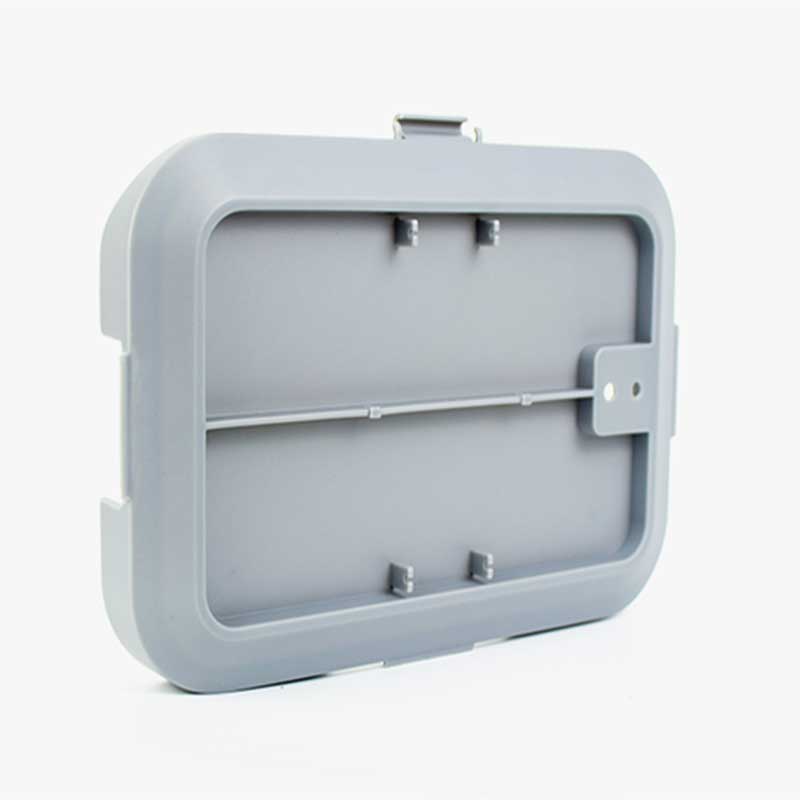
At Prsom, we deliver precision prototypes via CNC machining, SLA/SLS 3D printing and vacuum casting for consumer electronics, medical devices, home appliances and industrial hardware.
What Does Prototype Machining Mean in Product Development?
A prototype is the first tangible version of your digital 3D model. Instead of sending your CAD drawing straight to injection molding, you produce one or several physical parts for review and testing.
Prototype machining is not made for mass output. Its core goal is to turn virtual design files into touchable, assembleable test pieces. Most hardware products, from small wearable shells to large industrial enclosures, go through prototyping before formal production.
The Role of Prototypes in New Product Launches
CAD renderings and digital simulations can hide many design flaws, such as assembly interference, poor wall thickness, or mismatched gaps. A physical prototype exposes these issues early. It bridges the gap between design engineering and mass production.
Core Purposes of Prototype Machining
- Verify Appearance & Dimensional Accuracy
Renderings often carry visual bias. A finished prototype lets your team check surface curves, seams and overall styling. You can use calipers or CMM inspection to confirm whether real dimensions match your tolerance requirements. Design tweaks at this stage are cheap and fast.
- Test Structure & Functional Performance
Functional prototypes can be fully assembled with internal components, PCBs, hinges and fasteners. Engineers test fitting, mechanical movement, load capacity and assembly reliability.
Fixing structural conflicts on a prototype costs a fraction compared with modifying or remaking an injection mold after tooling is finished.
- Support Internal Review, Client Presentations & Trade Shows
After surface finishing including painting, silk screening and anodizing, prototypes look nearly identical to finished commercial goods. They work great for design voting, customer demos, market research and exhibition displays.
Complete Prototype Machining Workflow
Step 1: 3D Drawing Preparation & DFM Check
Suppliers need STEP, IGS or STL files for machining. Our engineering team reviews drawings for manufacturability: checking thin walls, undercuts, tolerance feasibility and giving DFM suggestions. If you only have sketches or 2D drawings, reverse engineering CAD modeling is also available.
Step 2: Material Selection for Prototypes
Material choice directly impacts strength, surface finish, cost and test suitability. We split common materials into plastic and metal grades:
- Plastics: ABS, PC, Nylon PA, POM, acrylic. ABS is widely used for cosmetic shells due to easy sanding and painting. PC offers high toughness and heat resistance.
- Metals: Aluminum 6061 / 7075, stainless steel, brass. Metal prototypes are preferred for heat dissipation, load-bearing and high-strength functional testing.
Step 3: Main Rapid Prototyping Methods
表格
| Method | Typical Tolerance | Best Batch Size | Advantages | Limitations |
|---|---|---|---|---|
| CNC Prototype Machining | ±0.02~0.05 mm | 1–20 pcs | High strength, production-grade material, premium surface quality | Expensive for highly complex hollow geometry |
| SLA / SLS 3D Printing | ±0.05~0.10 mm | 1–10 pcs | Fast turnaround, freeform complex structures, easy to iterate | Some materials have low impact resistance; large parts cost more |
| Vacuum Casting | ±0.10~0.20 mm | 10–50 pcs | Low unit cost for small batches, supports soft rubber and transparent parts | Requires a master pattern first, lower precision than CNC |
| Hand Carving | Loose tolerance | Single piece | Low cost for simple foam / wood mockups | Not suitable for industrial precision testing |
Internal linking notes: CNC prototype machining → /service/cnc-prototype.html 3D printing → /service/3d-printing-prototype.html Vacuum casting → /service/vacuum-casting.html
Step 4: Post-Processing & Assembly
Freshly machined or printed parts carry tool marks or support traces. Standard post-finishing includes sanding, polishing, spray painting, UV clear coat, silk screen, laser engraving, aluminum anodizing and partial plating. Finally, parts are assembled into a complete prototype unit for delivery.
Critical Technical Considerations for High-Quality Prototypes
Tolerance Control
Standard cosmetic prototypes commonly hold ±0.05 mm tolerance. Medical and precision instrument prototypes demand tighter control. Quality inspection should run through machining, finishing and final assembly.
Surface Finish Matching
The same substrate can look completely different with matte spray, glossy coating, textured finish or metal anodization. Confirm surface specs with your supplier before production to avoid unexpected visual results.
Structural Strength for Functional Tests
For lab testing prototypes, aesthetics are secondary. Wall thickness, material grade and rib design must match test conditions to avoid breakage that invalidates test data.
Why Should You Not Skip Prototyping Before Molding?
Many product teams ask: can we go straight to injection molding without a prototype? It is technically possible, but financially risky. A complex mold often costs tens of thousands of dollars. Once the mold is machined, design revisions become expensive and time-consuming.
Prototype machining is a low-risk, fast iteration loop. You lock appearance, fit and function before committing to hard tooling, which saves your overall development budget and shortens time-to-market.
Frequently Asked Questions
How long does prototype machining take? Simple cosmetic prototypes usually take 1–3 working days. Complex structural, metal or multi-finish prototypes take 3–7 days. Vacuum casting lead time depends on quantity. Prsom supports rush orders for tight schedules.
Plastic prototype vs metal prototype: which one should I pick? ABS plastic prototypes work best for appearance review and basic assembly tests. Aluminum or stainless steel prototypes are selected when you need thermal testing, heavy load or high mechanical strength.
Can a prototype be used as a production part? Most prototypes are not suitable for mass sales. Prototyping methods are built for small-volume samples, with high unit cost and slow speed. Stable mass production still requires mold tooling.
What factors decide prototype machining pricing? Part dimension, material grade, required tolerance, surface finishing, quantity and drawing complexity all affect quotation. Send over your 3D files for an accurate quote.
Prsom Prototype Machining Service
Prsom specializes in precision rapid prototyping. We offer one-stop CNC machining, SLA/SLS 3D printing and vacuum casting, paired with full post-processing such as painting, silk screen and anodizing.
We serve customers in consumer electronics, medical equipment, smart home and industrial instrumentation. Every prototype comes with dimension inspection records and clear delivery schedules.
If you are starting a new product project and need prototype samples, submit your CAD files to our engineers for a free technical review and quotation. View our prototype cases | Get Free Quote.
Prsite
请到「后台-用户-个人资料」中填写个人说明。