Making a prototype model covers the full workflow from requirement confirmation, DFM review, manufacturing, post-finishing, quality testing to assembly and delivery. Choosing the right process is critical whether you need samples for appearance review, functional testing, certification or market research.
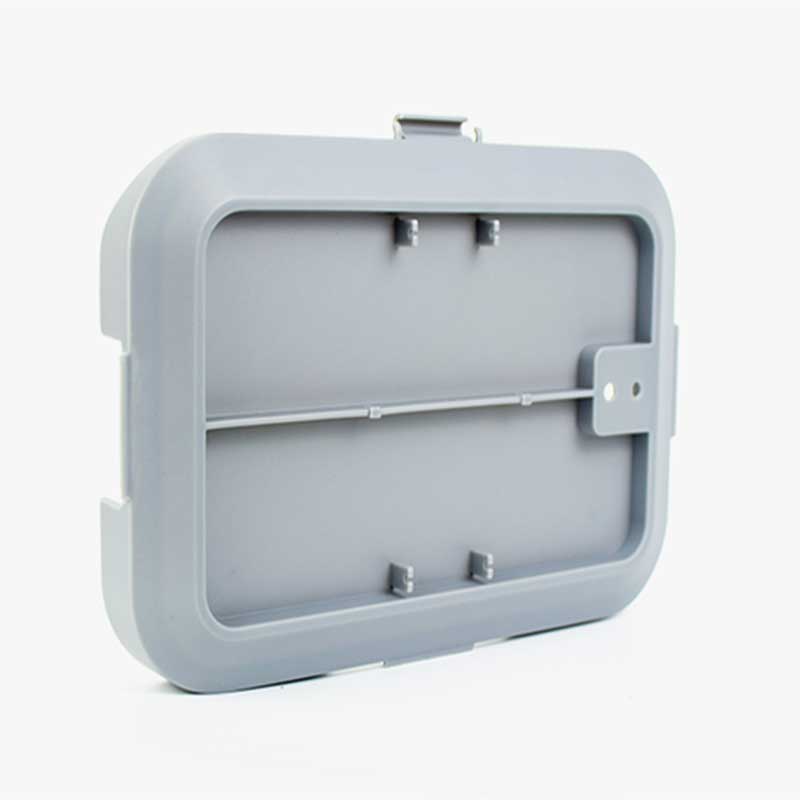
The work starts with preparation. First, our team communicates with you to clarify requirements, including prototype purpose, material, quantity, tolerance, surface finish and lead time. We check your 3D drawings carefully to reduce the risk of rework. Next, we carry out DFM manufacturability analysis to detect common issues such as broken surfaces, insufficient wall thickness, structural interference, undercuts and inadequate draft angles, and provide optimization suggestions. Then we plan the manufacturing solution. We recommend CNC for single functional parts, SLA 3D printing for fast cosmetic samples and vacuum silicone casting for small batches of 10 to 50 units. We also confirm raw materials, schedule and quotation in this stage.
Three mainstream forming processes are widely used. CNC machining uses CAM software to generate tool paths. The blank is clamped on the machine for rough cutting and fine finishing. Complex dead corners can be handled with EDM or wire cutting. It can reach tolerance down to ±0.02 mm and works for most plastics and metals, making it ideal for high-strength functional prototypes. 3D printing is an additive manufacturing method that finishes samples within hours or days. SLA, SLS and FDM serve different verification scenarios. Vacuum casting helps you produce small batches without expensive steel molds. Its cost is only 10% to 30% of injection tooling, and the cycle takes 3 to 7 working days. It can deliver 50 to 500 parts with performance close to injection molded products.
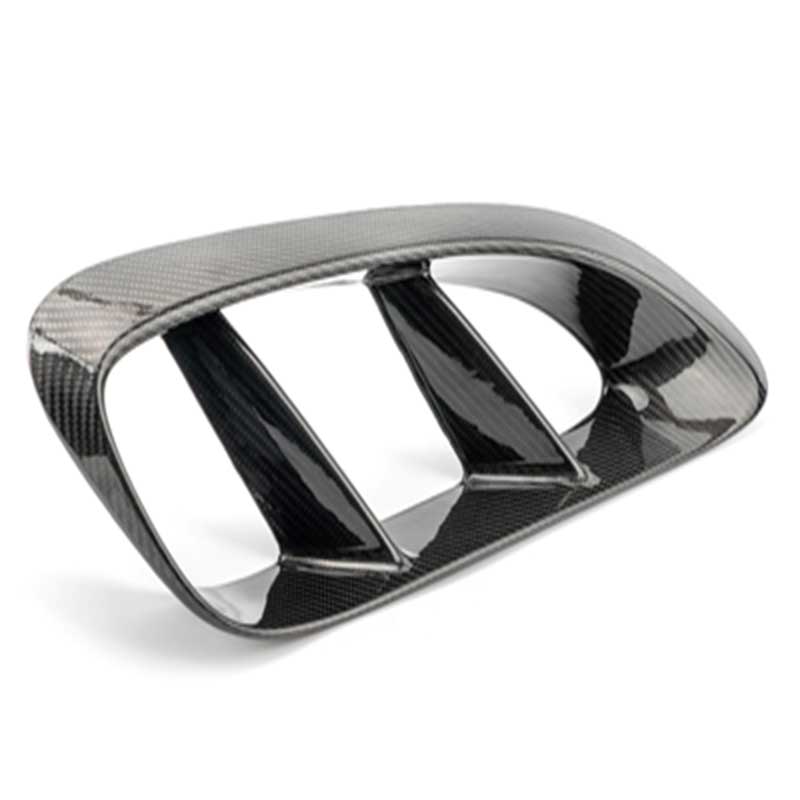
There are three detailed steps for 3D printed prototypes. First, prepare and optimize 3D data. We repair errors such as broken faces and gaps on STEP or STL files, add supports, reserve machining allowances and adjust part orientation. Second, slice the model and set printing parameters including laser power, layer thickness and scanning strategy, which directly affect part quality. Third, start printing and stack material layer by layer to form the solid component.
Raw printed or machined blanks cannot be delivered directly. Post-processing is essential. Operators remove supports and machining residues, then sand and polish the surfaces. Optional surface treatments include painting, silk screening or pad printing for logos, plating, anodizing and optical polishing for transparent parts, so the prototype can look nearly identical to mass-produced goods.
Every prototype goes through strict quality inspection. Standard parts are measured with calipers and micrometers. Medical and precision components are fully checked by CMM coordinate measuring machines. Inspectors manually check scratches, color difference and air bubbles. Test records are saved, and defective parts will be reworked.
After inspection, we assemble all components following the BOM list. We test joints and fit clearance to find jamming or interference problems. Finished prototypes are packed with shockproof materials and delivered together with inspection reports. We also support revision and secondary processing if updates are needed.
It is helpful to understand the differences among SLA, SLS and FDM. SLA resin printing brings smooth surfaces and fine details with tolerance ±0.05–0.1 mm. The resin is relatively brittle and the minimum wall thickness is 0.4 mm. It fits appearance and assembly verification. SLS selective laser sintering uses nylon material with good strength, toughness and heat resistance. No support structure is required, so it suits complex hollow inner structures. Its tolerance is ±0.1–0.2 mm and minimum wall thickness is 0.5 mm. It is preferred for functional test prototypes. FDM fused deposition modeling has the lowest cost, but the tolerance is only ±0.2–0.5 mm with obvious layer lines. It is only suitable for early concept verification, not for parts requiring tight assembly fit. If you need assembled prototypes, SLA is usually the better option to avoid extra cost from repeated sampling with FDM.
Prsom provides full prototype model services including CNC prototype machining, 3D printing and vacuum casting. Our engineers select the most suitable manufacturing plan based on your design, tolerance, material and quantity.
Prsite
请到「后台-用户-个人资料」中填写个人说明。