Prototypes are physical samples built before formal injection mold development. Engineers rely on these samples to validate product designs and avoid costly mistakes during mass tooling. A well-made prototype helps check appearance, fit and mechanical performance long before you invest in production molds.
Prototypes bring four major benefits for product development. First, they verify appearance and assembly structure. You can check proportions, gaps and moving parts such as hinges and slides to catch conflicts that CAD renderings may hide. Second, functional testing can be carried out, including button feedback, transmission movement, compression resistance, waterproof performance and component compatibility.
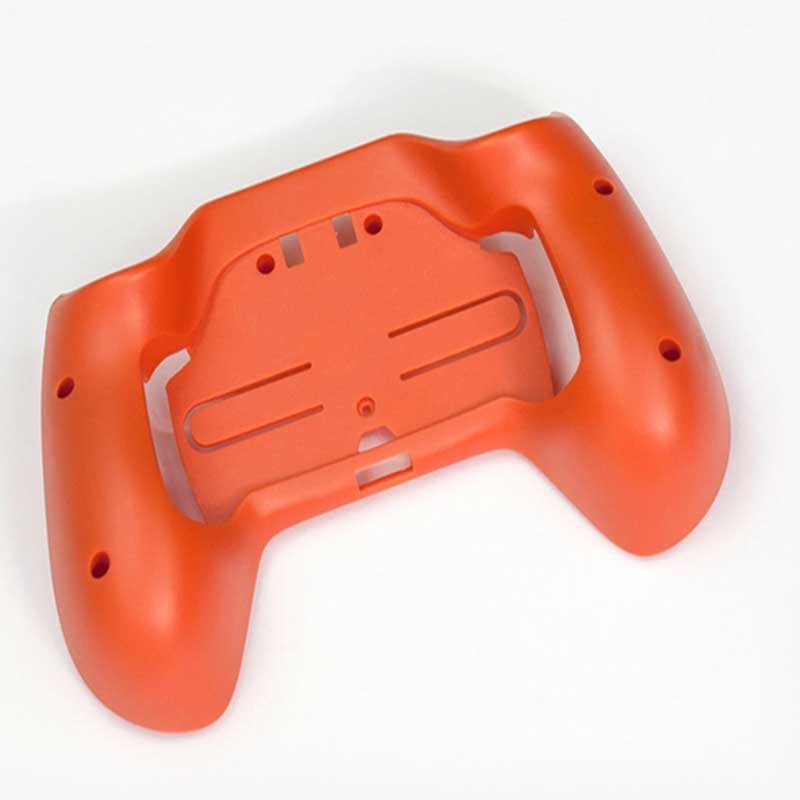
Third, prototypes help optimize mold design. You can identify undercuts, structural interference and surface defects early, and adjust parting lines and draft angles to lower molding risks. Fourth, prototypes can be finished quickly. While the injection mold is still under development, samples are ready for client presentations, trade shows and early market preparation, shortening your overall time-to-market.
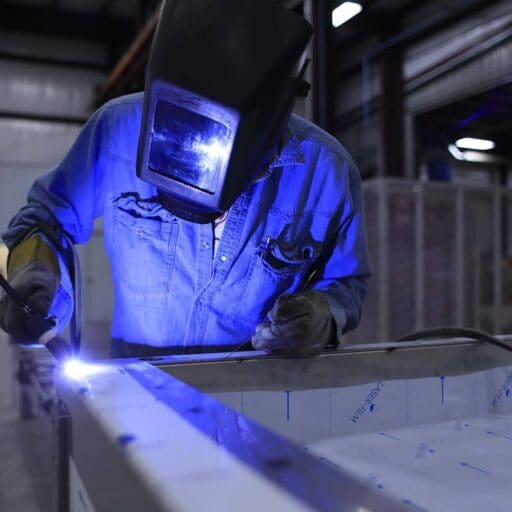
Four common manufacturing methods are widely used for pre-mold prototypes. CNC machining delivers precision up to ±0.05 mm with excellent surface quality. It supports plastics such as ABS, PC and acrylic, as well as aluminum, copper and steel metals. CNC is ideal for high-precision heat sinks and complex plastic assemblies. 3D printing offers fast turnaround, often finished within hours to one day, with typical tolerance around ±0.1 mm. SLA resin, SLS nylon and PLA are common materials. It works best for intricate organic shapes and fast cosmetic or preliminary structural checks. Vacuum casting, or silicone molding, requires a master pattern and silicone mold, which takes roughly one week. Finished copies are made from PU or epoxy resin. This process suits small batches of 5 or more units for functional verification and pilot runs. Sheet metal prototyping uses cutting, bending and welding on stainless steel, aluminum and cold-rolled sheets. It is the preferred option for thin-wall enclosures, chassis and mounting brackets.
The standard prototype fabrication workflow follows six clear steps. First, confirm project requirements and collect technical files. Clarify whether the prototype is for display or functional assembly testing, and submit STEP or STL 3D drawings. Reverse engineering modeling is available if you do not have CAD files. Second, select the manufacturing process and material based on testing goals, quantity and budget. Third, form the raw part. For CNC, the CAD file is converted to G-code, then rough and fine cutting is completed. For 3D printing, the model is sliced and printed layer by layer before support removal. For vacuum casting, a silicone mold is built, resin is poured under vacuum, and parts are cured and demolded. Fourth, manual finishing and surface treatment are performed. Operators remove burrs and sand surfaces. Optional finishes include painting, plating, anodizing and silk-screen printing for logos. Fifth, assemble all components and run functional tests to check clearances, button feel and structural strength. Sixth, quality inspection and delivery. Dimensions are measured with calipers or CMM equipment, and visual checks are done for color and gloss before shipment.
It is important to understand the core differences between prototypes and production injection molds. Prototypes are built for R&D validation, usually 1 to 50 pieces. They cost less and can be ready in one day to several weeks. Injection molds are made for mass production, producing thousands of parts. Mold tooling often costs tens of thousands of dollars and takes weeks or months to finish, but unit cost drops sharply after mold completion. Typical prototype tolerance ranges from ±0.05 mm to ±0.1 mm, while precision injection molds can hold tighter tolerance down to ±0.01~±0.005 mm.
Prsom provides full pre-mold rapid prototyping services, including CNC prototype machining, 3D printing, vacuum casting and sheet metal prototyping. Our engineering team will recommend the most suitable solution according to your testing objectives, quantity, material and budget.
Send your 3D CAD files for a free DFM review and quotation. View our prototype cases | Get Free Quote
Prsite
请到「后台-用户-个人资料」中填写个人说明。