Plastic prototypes are widely used in new product development for appearance review, structural assembly testing and pre-production verification. Three mainstream manufacturing methods are commonly adopted: CNC machining, 3D printing and vacuum casting. Each method comes with unique workflows, suitable materials and advantages. You can pick the right process according to your required accuracy, part geometry and sample quantity.
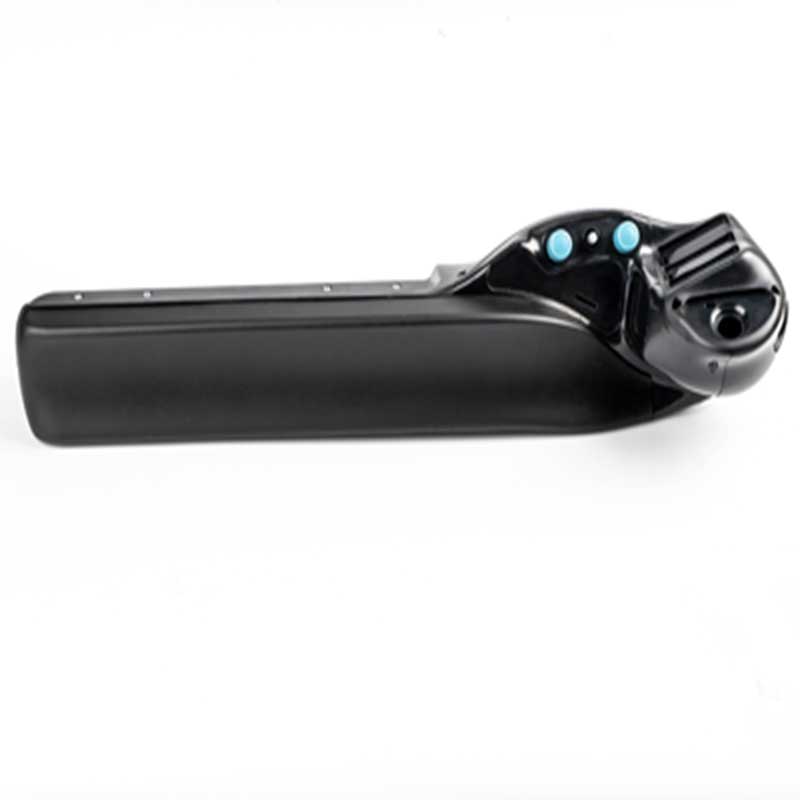
CNC machining is the most popular plastic prototyping method with reliable precision. It is the best choice when you need tight tolerance, good structural strength and premium surface finish. Common plastic materials include ABS, PC, PMMA acrylic, POM and PA nylon. The workflow starts with CAM programming and raw plastic stock preparation. The 3D CAD file is converted into machine G-code before the blank material is clamped on the machine. The CNC tool performs rough cutting followed by fine machining to form outer contours, holes and threads. After machining, operators remove tool marks and burrs by hand, then sand and polish the part. Optional surface finishing such as painting, plating and silk screening can be added to achieve the look of mass injection-molded parts. Typical tolerance for CNC plastic prototypes can reach ±0.05 mm, and the material properties match real production plastic.
3D printing is an additive manufacturing solution perfect for complex and irregular geometries. It builds parts layer by layer and works great for fast cosmetic validation. Common materials cover SLA resin, SLS nylon and PLA. The workflow begins with slicing the 3D model to generate printing paths. The machine then stacks material layer by layer to form the part. Post-processing steps include support removal, cleaning, sanding and secondary curing. The biggest benefit is fast turnaround; most parts can be finished within one or two days. Complex internal cavities and organic shapes that are difficult for CNC can be printed easily.
Vacuum casting, also known as silicone molding, is designed for low-volume plastic part replication. It is ideal for orders of 5 pieces or more, such as functional testing batches and crowdfunding pre-samples. PU resin or epoxy resin is used to simulate the performance of engineering plastics like ABS. First, a high-quality master pattern is made via CNC or 3D printing. The master is then covered with liquid silicone to form a mold. Once cured, the silicone mold is split open to take out the master and leave the cavity. Resin is poured under vacuum to avoid air bubbles. Parts go through oven curing, cooling, demolding and final sanding. Vacuum casting offers low unit cost and parts behave similarly to injection molded plastic for small batch runs.
Here is a simple selection guide for plastic prototypes. Choose CNC machining if you only need 1–2 pieces with high precision and solid strength. Choose 3D printing for complex geometries and fast visual verification. Vacuum casting delivers the best value when you need 10 to 50 identical prototype samples.
Prsom provides one-stop plastic rapid prototyping services including CNC prototype machining, 3D printing and vacuum casting. Our engineers evaluate your CAD drawing, tolerance, material and quantity to recommend the most cost-effective process.
Submit your 3D files for a free DFM assessment and quotation. View our prototype cases | Get Free Quote
Prsite
请到「后台-用户-个人资料」中填写个人说明。